Motivating Aging Adults to Adopt Regular Exercise Through Evidence-Based Exercise Guidelines
Wiki Article
Keeping active is important for individuals of all ages, but it turns especially significant as persons grow older. For seniors, routine exercise helps sustaining independence, enhances flexibility, and boosts general health. Comprehensive training frameworks provide aging individuals with organized methods to physical health that include balance, mobility, power, and stamina. By implementing well-designed exercise routines, seniors can enhance their quality of life while minimizing the risks of accidents, long-term illnesses, and mental health challenges.
Staying fit for aging individuals is not limited to intense workouts or intense exercise regimens. It centers instead on safe, gradual, and ongoing movement that fits unique fitness conditions. Activities such as leisure walking, stretching, gentle yoga, and bodyweight exercises help preserving joint flexibility and firmness. Heart-strengthening activities like water fitness or stationary cycling improve circulation, which are important for supporting stamina and stamina. These forms of activity also support mental function, as studies have demonstrated that consistent activity can boost mental clarity, mood, and focus.
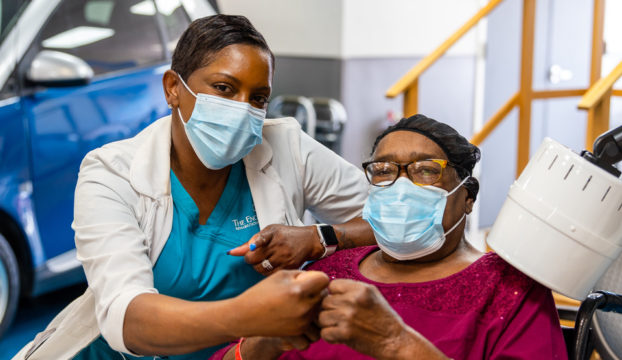
Holistic exercise guidelines prioritize a integrated approach to health, addressing physical, mental, and community dimensions of health. Seniors are encouraged to begin slowly and move forward at a comfortable pace, maintaining injury prevention while reducing overexertion. Incorporating mobility sessions reduces muscle soreness, while adequate water consumption and meal balance complement physical activity. Additionally, group fitness environments—such as group fitness classes or organized group walks—create avenues for companionship, encouragement, and well-being, which are equally important to total wellness.
Professional guidance plays a crucial function in supporting seniors build customized exercise plans. Consulting physicians, rehabilitation specialists, or qualified instructors verifies that routines are aligned to individual needs, fitness levels, and objectives. These specialists blog link can design safe workout protocols that consider elements such as joint conditions, bone fragility, or aerobic restrictions. Through regular monitoring and refinement, fitness routines continue to be productive and rewarding, encouraging lasting participation and success.
Overall, enabling elders to participate in fitness through inclusive fitness frameworks creates a mindset of healthy living. When seniors are provided with understanding, confidence, and organized taping and bracing methods systems, they develop assurance in their strength and appreciate greater independence. Regular exercise enhances not only physical strength but also cognitive health and psychological balance. By promoting accessible, professionally structured exercise plans, communities can ensure that every senior has the opportunity to live a healthy, active, and fulfilling journey.